


A high-level organizational model developed by Soraia Luana Reis to help companies regain control when growth begins to generate internal instability.
When Growth Stops Being an Advantage
Table of Contents
Growth is often celebrated as the ultimate indicator of success.
But inside organizations, the reality is more complex.
Many companies don’t collapse because they fail to grow —
they collapse because growth outpaces structure.
As expansion accelerates:
- decision-making becomes fragmented
- leadership alignment weakens
- operational consistency deteriorates
What once drove momentum becomes the source of internal pressure.
This is the inflection point most organizations fail to recognize —
and the exact moment the COC Method was designed to address.
The Structural Cost of Unmanaged Growth
Growth multiplies variables faster than most organizations can absorb.
New teams.
New markets.
New layers of decision-making.

Without structural reinforcement, complexity escalates into dysfunction.
According to insights published by Harvard Business Review, companies that scale without maintaining internal alignment often experience declining performance despite increasing revenue.

This phenomenon is not accidental.
It is systemic.
And it manifests through:
- governance gaps
- strategic inconsistency
- operational fragmentation
At this stage, growth is no longer a competitive advantage.
It becomes a structural liability.
What Is the COC Method?
The COC Method — Conscious Organizational Conversion — is a strategic framework designed to realign organizations that have reached structural saturation.
Unlike traditional models that prioritize expansion, the COC Method focuses on:
👉 restoring coherence
👉 reinforcing governance
👉 sustaining growth over time
It is not a growth accelerator.
It is a stabilization system for organizations that have already grown — but are losing internal alignment.
The Three Pillars That Sustain Organizational Stability
1. Governance: Rebuilding Decision Integrity
As organizations expand, governance structures often fail to scale proportionally.
The result is:
- unclear accountability
- inconsistent decision-making
- reactive leadership
The COC Method restructures governance by:
- redefining decision hierarchies
- reinforcing accountability systems
- restoring clarity across leadership levels
Governance shifts from reactive control to strategic guidance.
2. Strategy: Restoring Directional Coherence
In many growing organizations, strategy exists — but not in a unified form.
Departments move in parallel, not in alignment.
The COC Method realigns:
- strategic priorities
- organizational vision
- execution pathways
The objective is not to generate more strategy —
but to ensure that every strategic movement is coherent, connected, and sustainable.
3. Sustainability: Securing Long-Term Viability
Sustainability, in this context, is not limited to ESG or environmental impact.
It refers to:
👉 the organization’s ability to sustain growth without internal breakdown
This includes:
- operational resilience
- structural consistency
- scalable processes
According to the World Economic Forum, long-term business sustainability depends on the integration of governance, strategy, and operational execution — not on isolated growth metrics.
Where the COC Method Becomes Critical
The COC Method is not designed for early-stage startups.
It becomes essential in organizations that:
- are already scaling
- operate across multiple markets or teams
- experience increasing internal complexity
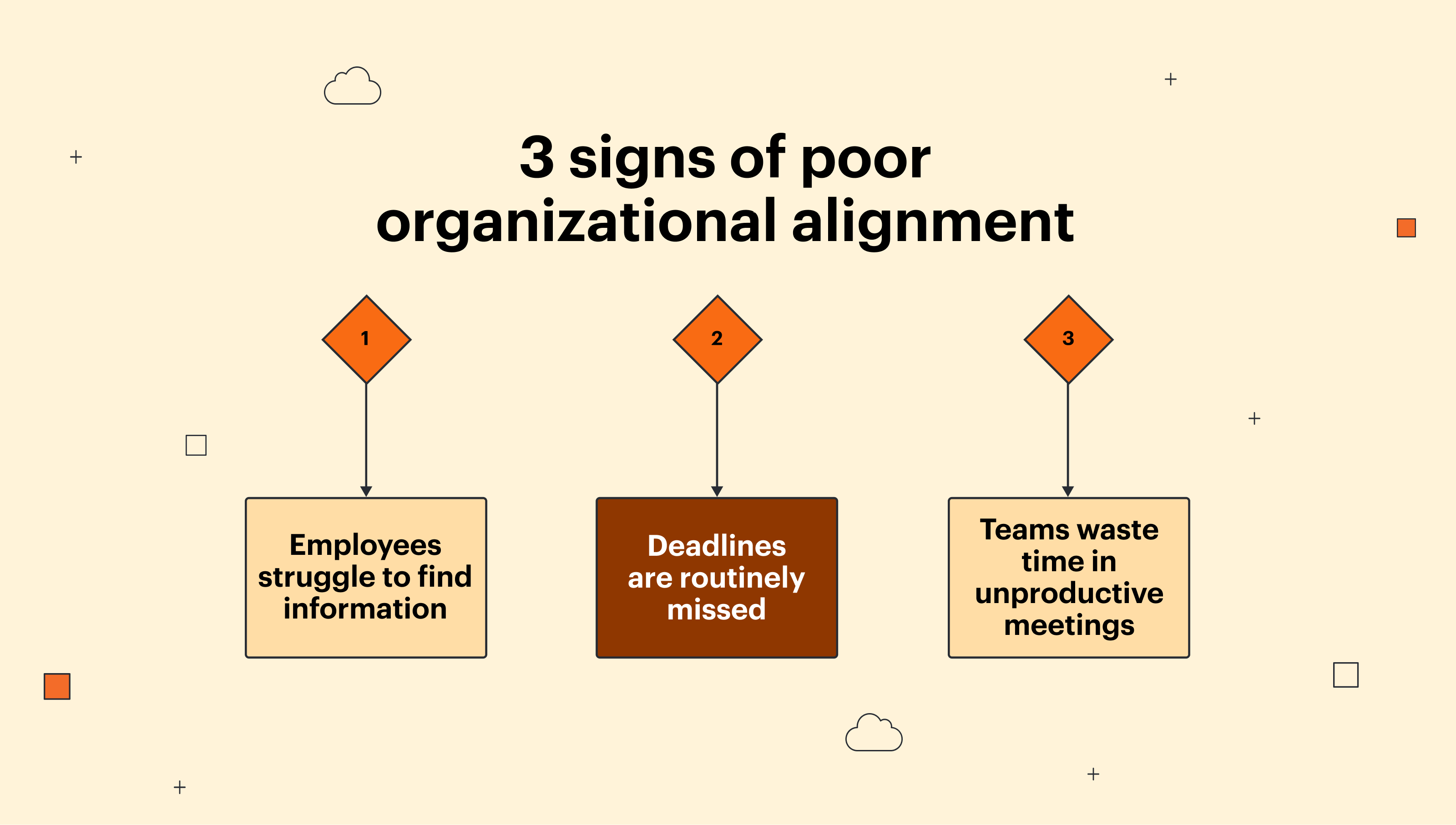
- face difficulty maintaining alignment
Typical indicators include:
- leadership misalignment
- duplicated efforts across departments
- slow or inconsistent decision-making
- growth without operational clarity
At this stage, traditional growth strategies fail.
What is required is structural realignment.
COC Method by Soraia Luana Reis →
Why Traditional Frameworks Fail at This Stage
Most business frameworks are designed to:
👉 drive growth
👉 increase performance
👉 optimize operations
Few are designed to address what happens when:
👉 growth destabilizes the organization itself
The COC Method stands apart because it:
- addresses structural breakdown, not just performance
- integrates governance, strategy, and sustainability simultaneously
- focuses on alignment before acceleration
It is not an incremental improvement tool.
It is a structural recalibration framework.
The Strategic Shift Leaders Must Recognize
At a certain level of growth, the objective changes.
It is no longer about expanding faster.
It is about sustaining what has already been built.
Organizations that fail to recognize this shift continue to:
- scale without structure
- grow without alignment
- expand without control
Those that adapt reposition themselves with:
- clarity
- stability
- strategic strength
Perspective
Growth does not destroy organizations.
Misalignment does.
Without structure, expansion becomes unsustainable.
Without governance, strategy loses direction.
Without alignment, growth becomes risk.
The COC Method emerges not as a trend,
but as a response to a structural reality that defines modern organizations.
COC Method by Soraia Luana Reis →
COC Method → Start Your Organizational Conversion
COC Method: Organizational Strategy, Leadership & Governance
- When a Company Grows Without Alignment, It Begins to Erode from Within
- Growth Does Not Destroy Companies — Misalignment Does
- Leadership Without Inner Clarity Creates Organizational Confusion